Categories
Materials & Systems

How Long Do Tile Roofs Really Last?

Tile roofs are often marketed as “lifetime” systems—but what does that really mean? After extensive research into manufacturer data, building codes, and independent studies, we found that tile roofs can last anywhere from 40 to over 100 years, depending on the material, installation, and maintenance.

In this guide, we’ll break down what affects a tile roof’s lifespan, how different materials compare, and what to expect for your home over time.

Understanding Tile Roof Longevity

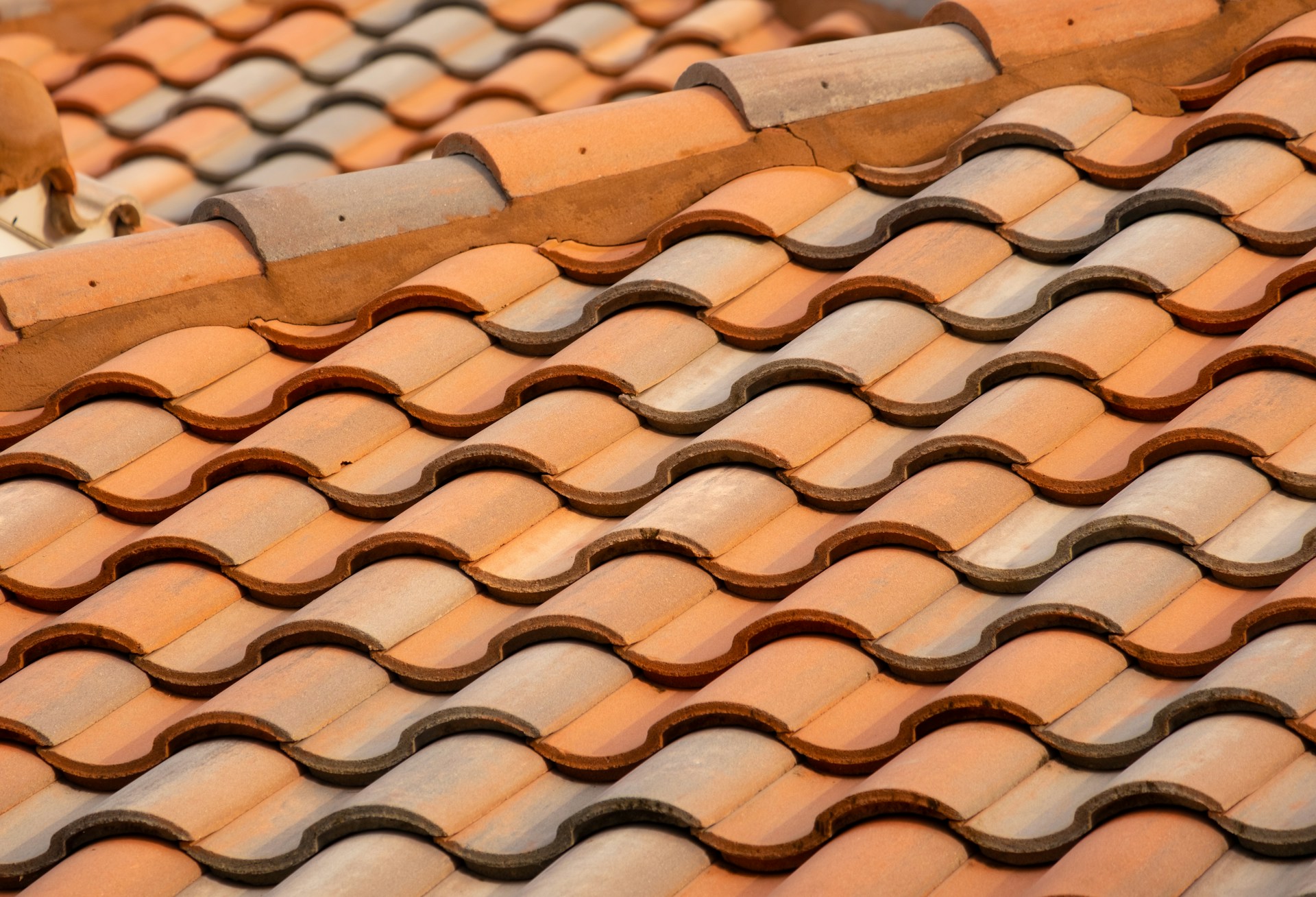
Tile roofing isn’t a single material. It includes clay, concrete, slate, metal, composite, and even solar tiles, each with unique strengths and service lives. While the tile itself can last for decades, the underlayment beneath it usually fails first—often between 25 and 40 years.

Our research included findings from the Tile Roofing Industry Alliance, IBHS, and ASTM material standards (C1167 for clay, C1492 for concrete). Each source confirms that environmental stress—especially heat, moisture, and wind—has a greater impact on lifespan than tile type alone.

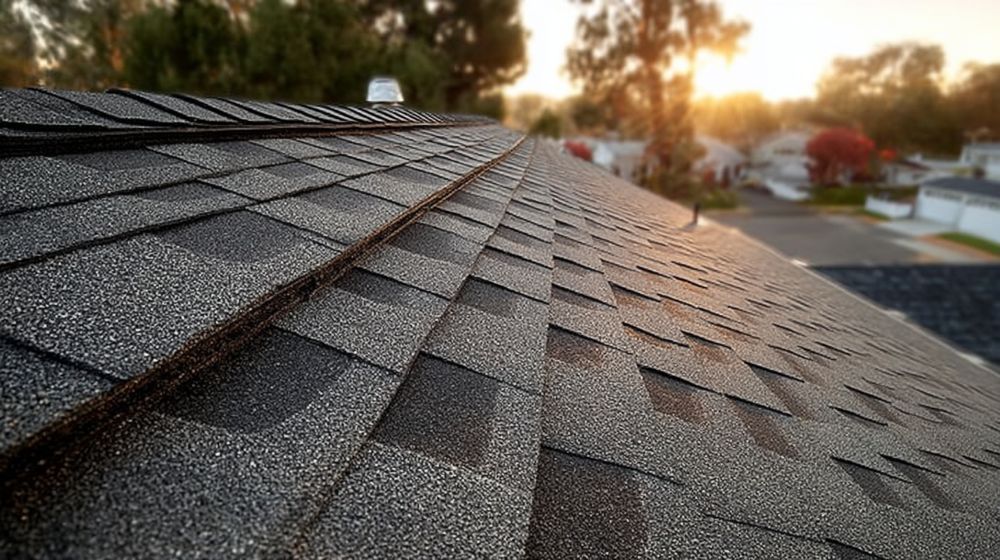
If you’re comparing roof types, you can also review our breakdown of architectural shingle lifespans to understand how tile systems outperform asphalt in long-term durability.

Average Lifespan by Tile Type

Tile MaterialTypical Lifespan (Years)Notes
Clay Tile50–100Fired natural material, highly durable. Often outlasts its underlayment.
Concrete Tile40–75Heavy and water-absorbent; underlayment wear often limits total lifespan.
Slate Tile75–150+Natural stone; requires structural support and skilled installation.
Composite Tile30–50Lightweight synthetic blend; mimics natural tile but with shorter life.
Metal Tile Panels40–70Formed steel or aluminum with tile appearance; corrosion protection required.
Solar Roof Tiles25–30Limited by photovoltaic efficiency degradation, not structure.

Each figure assumes proper installation, balanced ventilation, and periodic underlayment replacement. Without maintenance, these ranges drop sharply.

The Real Limiting Factor: Underlayment

Many homeowners hear that a clay or slate roof “lasts a century.” That’s true for the tile itself—but not the underlayment.

Underlayment membranes protect your roof deck from moisture. According to the National Roofing Contractors Association (NRCA), their lifespan is much shorter than the tiles they support:

  • Asphalt felt: 20–30 years
  • Synthetic underlayment: 30–40 years
  • Self-adhering bitumen: up to 40+ years

Once the underlayment deteriorates, water intrusion becomes inevitable, regardless of how intact the tiles look.

Regional Climate Impact

Tile longevity is also influenced by weather patterns. Research from the Insurance Institute for Business & Home Safety found that aging, UV exposure, and wind uplift all reduce service life faster than age alone.

Climate RegionRealistic LifespanPrimary Stressors
Hot–Dry (Southwest)40–70 yearsUV degradation, underlayment drying, thermal expansion.
Coastal / Hurricane Zones35–60 yearsSalt corrosion, wind uplift, flying debris.
Freeze–Thaw Regions30–60 yearsMoisture infiltration, cracking, and spalling.
Temperate / Mild Zones70–100 yearsMinimal stress; ideal performance.

These differences explain why tile roofs in Arizona age differently than those in Northern California or the Northeast.

Tile Roof Lifespan by Region

While average lifespans depend on material and maintenance, local climate plays a major role. Here are just a few states and how they can be different.

Arizona:
Tile roofs in Arizona typically last 40–70 years because of intense heat and UV exposure that dry out the underlayment. Regular inspections and attic ventilation are critical.
Find roofers in Arizona

Florida:
High humidity, salt air, and hurricane-grade winds reduce life expectancy to about 35–60 years. Clay and concrete tiles perform best with hurricane-rated fastening systems.
Find roofers in Florida

California:
Tile roofs in coastal and inland California often reach 60–100 years, especially in dry southern regions where freeze-thaw stress is minimal. Underlayment usually needs replacement around year 30.
Find roofers in California

Las Vegas (Nevada):
Dry desert heat and high UV exposure shorten underlayment life; expect 40–65 years total. Choose lighter-colored or ventilated tile systems to reduce heat load.
Find roofers in Las Vegas

Proper Installation Makes or Breaks Longevity

Tile systems are only as durable as their workmanship. Improper fastening, insufficient ventilation, or missing flashing can cut the roof’s life in half. The Tile Roofing Industry Alliance installation manual highlights key best practices:

  • Use correct fastening and mortar or foam adhesives rated for local wind zones.
  • Ensure ridge vents and intake ventilation meet IRC Section R806.
  • Install corrosion-resistant flashings and properly sealed valleys.
  • Limit roof access to professionals to prevent cracked tiles.

Maintenance That Extends Roof Life

Routine care plays a major role in how long your tile roof lasts. The Asphalt Roofing Manufacturers Association (ARMA) and TRIA recommend:

  • Annual inspections for broken or displaced tiles.
  • Gutter and debris cleaning to prevent trapped moisture.
  • Gentle washing (no high-pressure cleaning).
  • Replacement of damaged underlayment every few decades.
  • Prompt repairs after storms or heavy wind.

Homeowners who maintain these simple practices consistently achieve lifespans at the upper end of each range.

Why Some Tile Roofs Fail Early

In our research, early failures were almost always traced back to one of three causes:

  1. Poor underlayment choice — low-grade felt dries out or tears within 15–20 years.
  2. Improper flashing — valleys, chimneys, and wall junctions left vulnerable.
  3. Unbalanced ventilation — overheating accelerates material fatigue and adhesive breakdown.

Avoiding these pitfalls ensures the investment in tile roofing pays off over decades, not just years.

Comparing Tile Roofs to Other Roofing Materials

If you’re weighing your options, tile systems outperform most alternatives in longevity. Even high-end shingles or metal panels can’t match clay or slate in service life.
You can read more in our guides on how long 30-year architectural shingles really last and 8 types of shingles and their pros and cons.

For homeowners considering professional installation or inspection, you can find roofers in your area through our directory.

Bottom Line

After reviewing data from IBHS, TRIA, NRCA, and ASTM standards, here’s what we found:

Most clay or concrete tile roofs last 40 to 75 years in U.S. conditions.
Slate can exceed 100 years, while composite and solar tiles generally perform for 25 to 50.
The real determining factor is underlayment integrity—typically 25 to 40 years between replacements.

When installed correctly, ventilated properly, and maintained regularly, a tile roof can be a once-in-a-lifetime investment that protects your home for generations.

Categories
Materials & Systems

How Long Do 30-Year Architectural Shingles Really Last?

Most homeowners are told that architectural shingles should last thirty years. After extensive research into manufacturer data, independent testing, and national field studies, we’ve found that number is rarely accurate. The term “30-year shingle” refers to a warranty class, not a guaranteed lifespan. In practice, these roofs perform anywhere from the low-20s to about thirty years—and the difference almost always comes down to installation quality, climate stress, and attic ventilation.

What We Found When Comparing Research

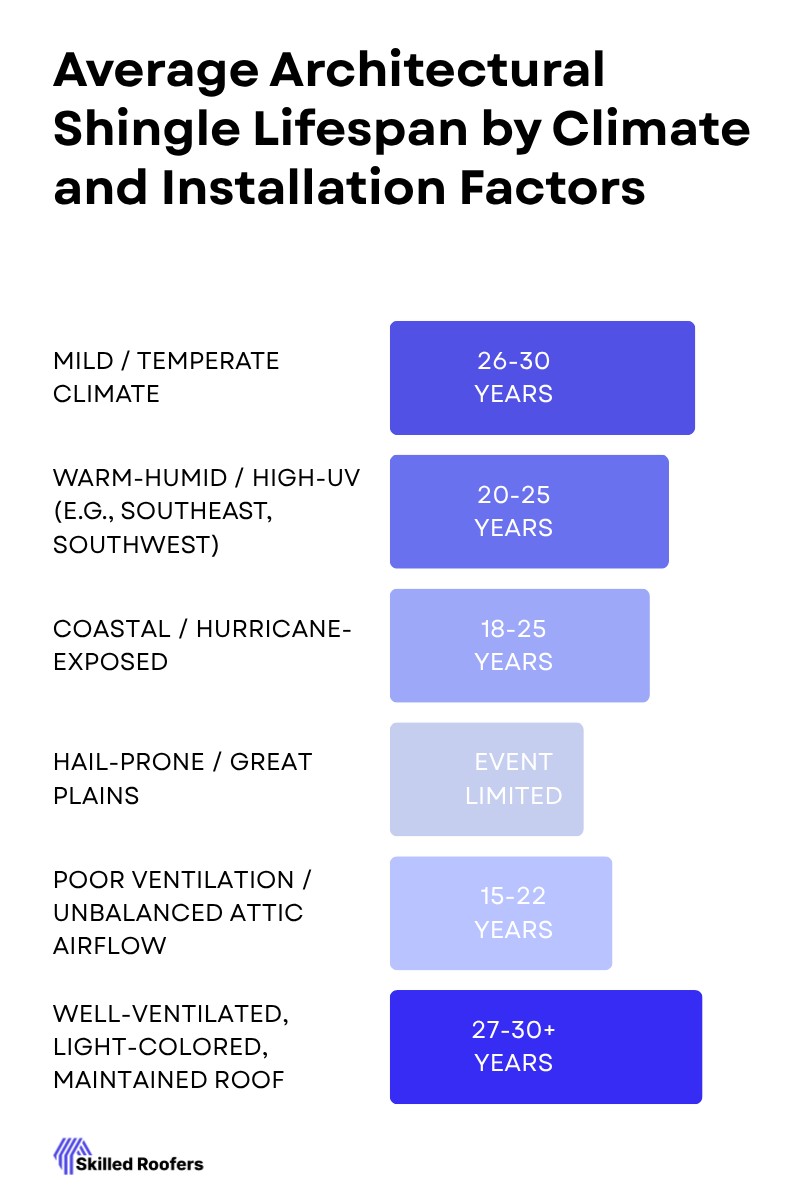
When we began comparing published lifespan data, one thing became clear: roofs built with identical shingles age very differently depending on region. In coastal and southern climates, the same brand labeled for 30 years often needs replacement around year 20 or 22. In more temperate zones—the Midwest or Northeast—many reach 27 to 30 years before significant aging appears.

Our findings align with the Institute for Business & Home Safety (IBHS) study, Performance of Asphalt Shingle Roofs in the Real World, which examined roof performance during Hurricanes Gustav and Ike. Their field data confirms that prolonged exposure to UV, wind, and temperature swings steadily weakens adhesion strength. The shingles don’t suddenly fail—they gradually lose resistance to wind and impact.

The InterNACHI life-expectancy chart supports this trend, placing architectural asphalt shingles at roughly 30 years under standard conditions. The key phrase is standard conditions. In regions with poor attic ventilation or extreme heat, real-world lifespans drop closer to 15–20 years.

Embed the infographic

Copy and paste this HTML:

Why “30 Years” Rarely Means 30 Years

Roofing ratings come from controlled lab tests—steady temperature, perfect sealing, and uniform wind exposure. Real roofs live through daily expansion, contraction, and moisture cycles that no laboratory replicates. Once shingles pass the 10-year mark, sealant bonds begin to weaken, and research from IBHS and Applied Research Associates shows a clear decline in wind resistance from that point onward.

Post-storm inspections summarized in those studies reveal that after a 60-mph wind event, newer Class H shingles retain strong adhesion, while older ones lift or lose corners even without visible cracking. That drop in holding strength isn’t cosmetic—it’s mechanical aging.

Ventilation also plays a defining role. Attic temperatures in poorly ventilated spaces can exceed 150°F, accelerating oil loss in the asphalt layer and making shingles brittle. Studies based on International Residential Code (IRC) Section R806 ventilation ratios (1:150 to 1:300) show significantly lower heat stress and longer roof service life when air movement is balanced between intake and exhaust.

The Role of Climate

Climate remains the single most decisive factor. In moderate regions with steady temperatures, architectural shingles often reach the upper 20s or full 30-year mark. In high-UV, hurricane, or hail-prone areas, lifespans consistently fall to the lower-20s.

Recent IBHS Florida field modeling now includes “aging factors” in its storm-loss data, validating what the National Severe Storms Laboratory (NOAA/NSSL) has long defined—winds above 50–60 mph are “damaging,” and roofs older than a decade show measurable increases in uplift and creasing at those speeds.

Extending Shingle Lifespan

Our review of building-science and manufacturer data highlights several practices that reliably extend roof life. Proper ventilation and balanced airflow are critical. Roof decks sealed according to IBHS’s FORTIFIED Roof™ guidelines experience far less water intrusion during storms—IBHS testing shows sealed decks can reduce interior water entry by up to 95%. Cooler roof surfaces—either from lighter shingle colors or reflective coatings—run 20–30°F cooler in peak heat, reducing thermal fatigue. The U.S. Department of Energy’s Energy Saver guide on cool roofs confirms that cooler roof surfaces retain flexibility longer and lose fewer granules over time.

The Asphalt Roofing Manufacturers Association (ARMA) provides further data showing that routine cleaning and avoiding pressure washing also helps maintain granule integrity and prolong shingle life.

The Realistic Expectation

So, how long do architectural shingles really last? After reviewing the available data, the most realistic range is 22 to 30 years. With correct installation, proper ventilation, and consistent maintenance, a roof can approach the high-20s. Without them, performance drops into the teens. When we encounter a 25-year-old roof still functioning well in case studies or manufacturer field reports, it’s the result of balanced conditions—not luck.

When Replacement Becomes the Smarter Choice

Age alone shouldn’t determine replacement, but it should trigger inspection. Research shows that early signs—granule loss, curling, or surface cracking—signal reduced protection even if leaks haven’t appeared yet. Roofs near the 20-year mark in storm-exposed regions should be inspected annually. Waiting until leaks form often means hidden deck damage has already begun, and replacement costs rise sharply.

Bottom line

After reviewing decades of field data from IBHS, InterNACHI, ARMA, the Department of Energy, and NOAA, we’ve concluded that the “30-year” rating describes ideal conditions rarely achieved in reality. With informed installation, ventilation, and maintenance, architectural shingles can reach the high-20s, but expecting the full thirty years without degradation is optimistic. The best approach is proactive care, realistic budgeting, and understanding what those numbers truly represent.

Categories
Roofing Basics

How to Inspect Your Roof for Storm Damage

Storms can leave behind more than puddles and fallen branches. High winds, heavy rain, hail, and flying debris can quietly damage your roof, leading to leaks and costly repairs if not caught early. Knowing how to safely inspect your roof after a storm can help you spot problems, protect your home, and decide whether to call a professional.

Signs of Storm Damage You Should Look For

When you’re checking your roof after a storm, start by looking for visible signs that something may be wrong. You don’t always need to climb on the roof; a good inspection can begin from the ground and inside your home.

Some things to watch for include:

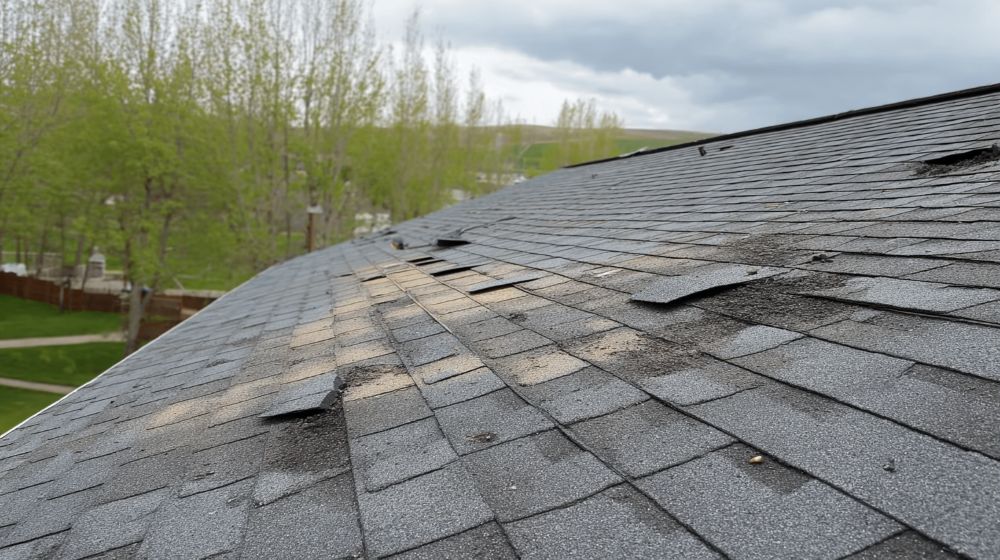
  • Missing, cracked, or curled shingles
  • Dark spots or bruises on shingles (often caused by hail)
  • Pieces of shingles or roofing materials on the ground
  • Bent or broken flashing around chimneys and vents
  • Damaged or overflowing gutters filled with debris

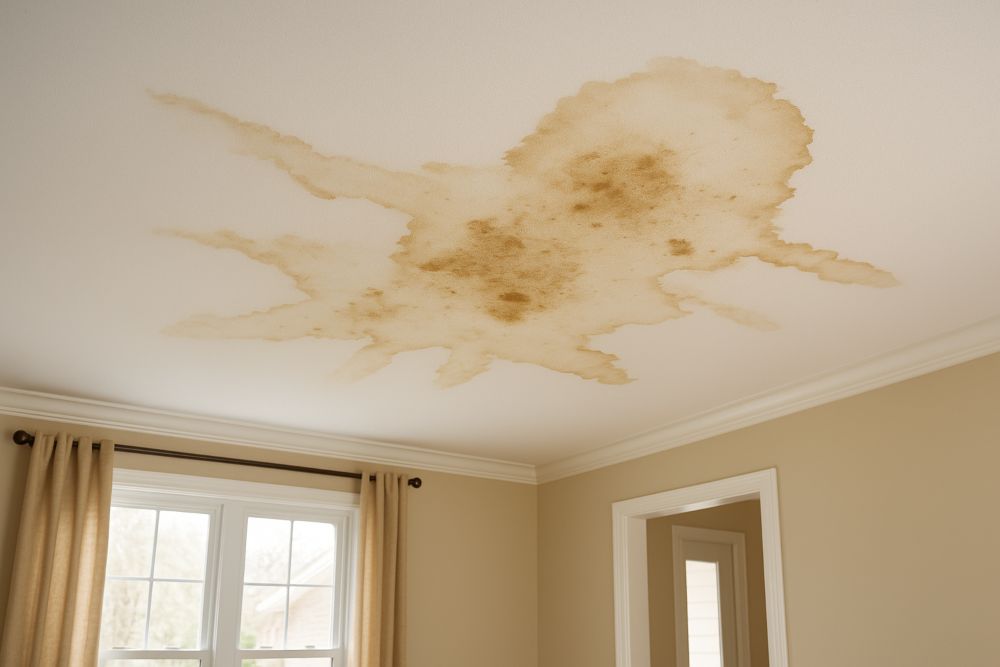
Inside your home, check for water stains on ceilings or walls. A damp attic or musty smell can also mean your roof has sprung a leak.

How to Inspect Your Roof Safely

Climbing on your roof can be dangerous, especially after a storm. Instead, start with a visual inspection from the ground using binoculars. Walk around your house and scan for anything out of place. If you feel it’s unsafe or notice major damage, call a professional roofer right away.

If you do go up, take safety seriously: use a sturdy ladder, wear slip-resistant shoes, and avoid walking on wet or icy shingles. Never climb up alone.

What Different Types of Storm Damage Look Like

Storms affect roofs in different ways depending on the weather. Here’s how to spot the most common types:

Wind damage: Shingles may be lifted, missing, or flapping in the wind.

Hail damage: Small dents, cracks, or dark circular spots on shingles.

Heavy rain: Pooling water on flat roofs or clogged gutters.

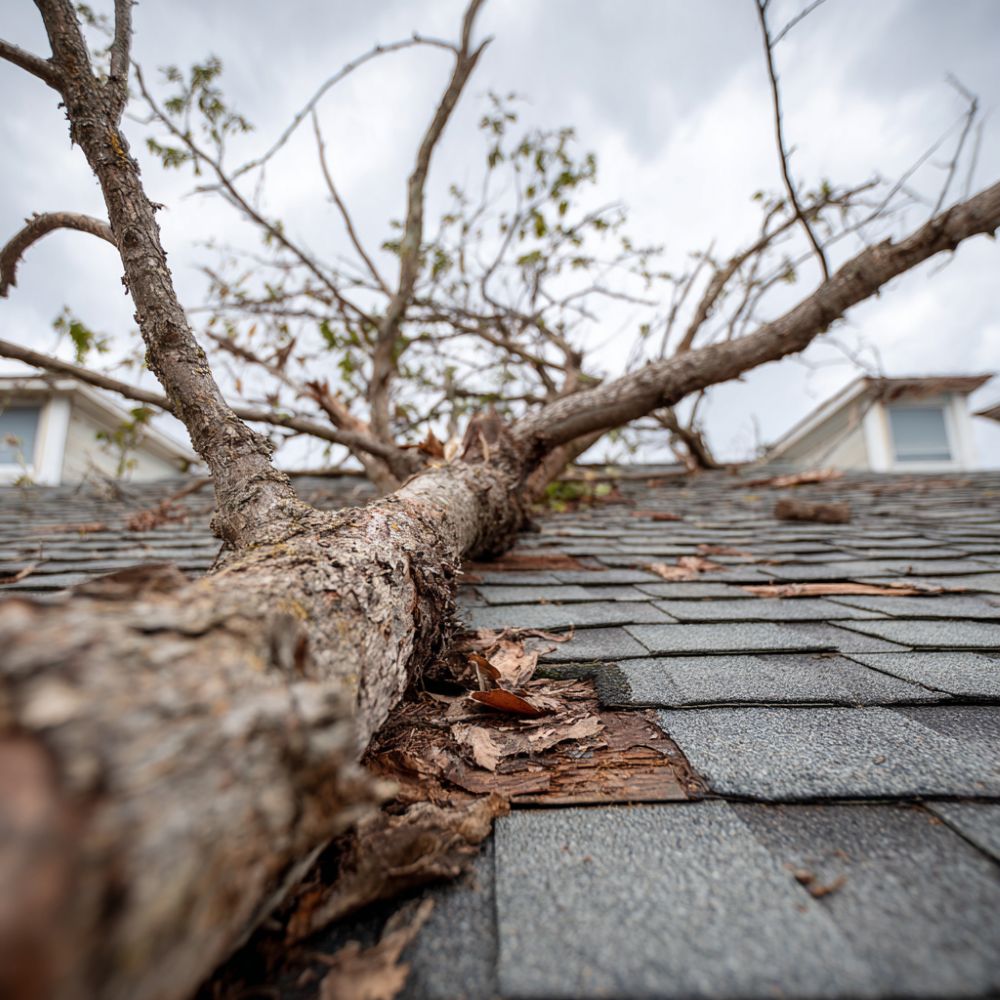
Falling branches or debris: Visible punctures, broken shingles, or holes in the roof.

When to Call Your Insurance Company

If you notice more than just a loose shingle or two, it’s smart to contact your insurance company quickly. They may send out an adjuster to inspect the damage. Take clear photos and videos of everything you see — inside and outside your home. This documentation will help your claim go smoothly.

It’s often a good idea to have a roofing contractor inspect the roof before the adjuster comes. That way, you’ll know what damage to point out and whether it should be covered.

Repair or Replace?

Homeowners often wonder how much damage justifies a repair versus a full replacement. Small issues, like a few missing shingles or minor flashing damage, can usually be fixed. But if large sections of shingles are gone, or if water has leaked into your home, you may need a more significant repair or even a replacement. A professional roofer can give you an honest assessment.

Can You Inspect the Roof Yourself?

Yes, you can do a basic inspection yourself. From the ground, use binoculars to look closely at the shingles. Check your attic and ceilings for leaks. However, only a trained roofer will be able to spot hidden problems, such as damaged underlayment or subtle hail bruises.

Hiring a professional roof inspection usually costs less than most homeowners expect, and it can save you thousands by catching issues early.

How Quickly Should You Inspect After a Storm?

The sooner, the better. Inspect your roof as soon as the weather clears and it’s safe to go outside. Delaying could allow water to seep in and cause further damage. Insurance companies also prefer claims filed promptly after a storm.

Preventing Future Storm Damage

While no roof is storm-proof, regular maintenance helps reduce the risk. Trim back overhanging tree branches, keep gutters clear, and schedule a professional inspection at least once a year. When replacing your roof, consider durable materials like impact-resistant shingles or metal roofing, which often withstand storms better.

Final Thoughts

Inspecting your roof after a storm doesn’t have to be complicated, but it does need to be done carefully. Start from the ground, look for obvious signs, and check inside your home for water damage. Document what you see, and don’t hesitate to involve your insurance company and a trusted roofer if you suspect major problems.

By acting quickly and knowing what to look for, you can prevent small issues from turning into costly repairs — and keep your home safe through every season.

Categories
Financing & Insurance

How to Finance a Roof — Repairs, Replacements, and Solar-Ready Upgrades

A roof is one of the most important parts of your home — but it’s also one of the most expensive to fix or replace. Whether your roof is leaking, sagging, or just too old to support solar panels, the costs can pile up quickly. Fortunately, financing gives you options.

This guide breaks down everything you need to know about financing a roof, whether you’re patching a leak, planning a full replacement, or upgrading for solar panels. We’ll keep it simple, helpful, and straight to the point.

Why You Might Need Roof Work — and Fast

Roofs don’t last forever. Most asphalt roofs last around 15 to 25 years. Over time, shingles crack, leaks form, and weather takes its toll. You might not even notice the damage until you get a roof inspection — often when planning to install solar.

If your roof is showing signs of age or damage, fixing it isn’t optional. A small leak can lead to water damage, mold, insulation problems, and even structural rot. Waiting too long can cost you double.

Solar twist: Many homeowners find out their roof needs replacement when preparing for solar installation. Solar companies won’t install panels on weak or damaged roofs — it’s just not safe.

What It Might Cost You (Ballpark Figures)

Roofing prices vary based on where you live, how big your roof is, and what kind of materials you choose. But here’s a rough breakdown to expect:

  • Minor repairs: $150 – $1,500
  • Major repairs: $1,500 – $7,000
  • Full replacement: $5,000 – $20,000+
  • Solar-required roof upgrade: Add $2,000 – $10,000
  • Solar panel system itself: $10,000 – $25,000

Important: Always get at least two quotes. And make sure your contractor is licensed and insured. Use our directory to find a roofing contractor near you.

Smart Ways to Finance a Roof

You have more options than you think — but some are smarter than others, depending on your budget, home equity, and credit score.

1. Home Equity Loans or HELOCs

These let you borrow against the value of your home. Rates are lower than personal loans, and repayment terms are flexible.

  • Home Equity Loan: One-time lump sum
  • HELOC: Like a credit card you draw from when needed

⚠️ Heads-up: Your home is on the line if you don’t repay.

2. Personal Loans

Great if you want fast cash without tapping into home equity. These are unsecured, so no collateral needed.

  • Quick approval
  • Fixed monthly payments
  • Higher interest rates than home loans

3. Roofing Company Financing

Some contractors offer in-house financing or connect you with lenders. This can be convenient, but always read the fine print.

  • Easy to apply
  • Often includes “same-as-cash” promo periods
  • Watch for hidden fees or high rates after promo ends

4. Government Programs & Assistance

For low-income homeowners or storm damage cases, there are helpful programs:

  • FHA Title I Home Improvement Loans
  • USDA Single Family Housing Repair Loans
  • State or local energy-efficiency grants

5. Credit Cards (Short-Term Fix)

Only use this if you’re tackling a small repair and can pay it off quickly — ideally during a 0% interest intro period.

What If You’re Getting Solar?

If you’re planning solar, get your roof checked first. A failing roof can’t support panels, and removing them later to fix the roof is expensive and time-consuming.

Some solar companies offer bundled loans that include both the solar system and the roofing upgrade. That can simplify things — just make sure your monthly payment still makes sense.

Also, look into PACE loans in your area. They’re designed to fund energy-efficient upgrades like roofing and solar and are repaid through your property taxes.

Common Questions People Ask

Will insurance pay for a new roof?
Only if the damage is from a covered event (hail, wind, storm). If it’s old age or wear-and-tear, you’re on your own.

What credit score do I need?
Most lenders want a 600+ score. For the best rates, aim for 700 or higher.

Can I finance just part of the roof?
Yes. If you’re repairing only a section or doing phased work, you can finance just that part.

Can solar loans cover roof upgrades too?
Often, yes. Many solar financing plans allow you to wrap in roofing costs.

Is roof financing worth it?
If the alternative is water damage, mold, or a failed home inspection — 100%. Financing gives you time to pay without risking bigger problems.

Final Take: Don’t Wait for It to Leak

Putting off roof work never ends well. The longer you wait, the more damage your home can take — and the higher the bill climbs.

Financing gives you a way out. You don’t need cash in hand to fix your roof, protect your home, or prep for solar. You just need the right plan and a clear path forward.

Next step? Get your roof inspected, collect a few quotes, and compare financing options side-by-side. Ask questions. Take your time. But don’t delay the work — your future self will thank you.

Categories
Materials & Systems

8 Types of Shingles (Pros and Cons)

Most people look at shingles as something that decorates the top of the home. It adds to the aesthetic appeal. However, the type of shingles that the builder chooses is highly dependent on what works best for the type of weather. 

The shingles also denote quality in a home. In the following article, we will be exploring eight different types of shingles. We will look at the pros and cons as well so that one can make an informed decision in the event of home building or re-roofing an existing abode.

1. 3 Tab Asphalt Shingles

This is probably the most common shingle that you will see around the block. It is a default for new homes and re-roofing projects alike. The total cost of putting a roof on with these should be from $5000 to $8000. 

Pros

  • Standard in the Industry
  • Simple installation process
  • Affordable
  • Usually in Stock at Stores

Cons

  • Don’t withstand a lot of wear and tear
  • Not very thick

2. Metal Roof

There are many different types of metal roofs, such as corrugated, sheet, and shingle. Additionally, there are disparate materials such as aluminum, copper, and steel. A metal roof can withstand all types of weather.

Pros

  • Long-lasting
  • Not heavy
  • Has interesting aesthetics due to the many different types available

Cons

  • They are prone to getting leaks in them as they can tear on a roof
  • The color and shine wear off
  • They can be easily dented 

3. Clay Tiles

When it comes to clay, you often see them in homes in hot climates. This is because they are ideal for this type of weather as they help to keep the cool air in. They are often in lighter colors too, as this helps to keep the house cooler as the light reflects off of them. They give a Spanish or Mediterranean feel to a place.

Pros

  • Gives the home an upscale appeal and increases the property value
  • Can last for a long time (upwards of 80 years)
  • Great for hot weather due to the insulation that they provide
  • Environmentally friendly

Cons

  • Difficult to install
  • Initially, they are a costly investment
  • Quite heavy
  • They don’t work in cold climates generally
  • If there are cracks or breakage, this will lead to a leaky roof

4. Wood Shingles

Some people really like the wood cabin appeal that can be created with wood shingles. It also has a Germanic style to it. However, not all cities or townships allow wood shingles. They can easily catch fire, so it can be a hazard. For this reason, it is often against the building codes in many areas to get them.

Pros

  • It gives a rustic look and feel.
  • It lasts a relatively long time with an average lifespan of 50 years.
  • Good for the environment
  • Insulation improves energy efficiency

Cons 

  • There is a possibility that they might increase the price of insurance as they are a fire hazard.
  • Hard to install
  • Repairs are not easy to make

5. Architectural Shingles

These have an extra layer of laminate on them, so they will last a long time. The average lifespan for architectural shingles is 30 to 50 years. They give the home a refined look. The price point for installation is a little higher, but this is considered an upgrade from the 3 Tab. 

In fact, the extra price is worth it because the roof will last twice as long. Those who like wood shingles but are not allowed to have them can get these. They have a similar aesthetic to wood.

Pros

  • Relatively long life span
  • They have an extra layer of protection as well
  • They have a luxurious look to them
  • There are types available for people to do their projects and then there are ones that generally require professional installation

Cons

They are expensive at $1.50 to $5.50 per square foot

6. Slate Shingles

Slate shingles are actually shingles that are made out of stone. There are natural slate tiles but there are also synthetics available as well. They generally work well in residential houses. They give a unique appeal in terms of looks. The lifespan is generally around 40 years.

Pros

  • Good for all types of weather, such as snow, rain, and sun
  • Works well for small homes or even in condos
  • They are good for the environment
  • They help a home to get a better resale value
  • The lifespan is reasonable

Cons

  • They are heavy as they are made of stone
  • The installation and raw materials are both very costly
  • They generally don’t have a lot of choice for colors other than grey
  • Repairs are complicated and generally not DIY
  • It can be hard to find the same kind when it’s time for a replacement

7. Rubber Roofing

There are two types of rubber roofing, natural and synthetic. Rubber roofing is made from materials such as bitumen, BUR, TPO, and PVC. It is commonly used in both commercial and residential buildings.For example, an industrial complex can have rubber roofing or a laboratory. Also though, it can just as easily be used in a single-family home. 

Pros

  • It is a light material
  • It will last an average life of about 40 years
  • Environmentally friendly
  • One does not need to put in a lot of maintenance 

Cons

  • Color does not stay on long
  • They can be flimsy
  • These are not DIY projects and need professionals to install them properly
  • Needs a professional for maintenance work 

8. Solar Shingles

These environmentally friendly shingles will help you to get the most bang for your buck over the long term. However, in the short term, the installation costs can be expensive. As there continue to be innovations in the industry, the price will drop as it has started to. They are even better for the environment than a roof with standard shingles and solar panels mounted to it.

Pros

  • Over time, the investment begins to pay off with energy savings
  • It has a nice aesthetic akin to slate
  • One of the best roofing options for the environment

Cons

  • It costs a lot upfront to install
  • Need professional help to install
  • It is still only clear for very sunny climates like those closer to the equator or in the South of the US

Conclusion

There is a lot to love about the options that shingles provide. A person just needs to do a little research to realize everything that shingles have to offer. Unfortunately, some of the best kinds, such as solar, can only be used in warm climates. 

However, there are many types still available for every climate, such as metal or rubber. A person should review the cons and pros before deciding on a shingle type.

Some of the types, such as metal, can come with regret if a person doesn’t want to hear the rain on the roof. All in all, there is enough on the market for a person to make a definite and informed choice.

Categories
Scams & Safety

Solar Scams Targeting Senior Citizens

In the past few years, there have been growing solar repair scams targeting seniors. The average fraudulent transaction cost for a senior individual is $120,000. It’s sad and unacceptable, but understanding the types of scams can help.

Up to 5 million seniors in the United States are abused every year in some way, financial exploitation is one of the forms of such abuse and involves misuse or withholding of the adult’s resources.

A quick search can tell you all about the solar scams targeting seniors so that you can be careful if you know a senior citizen. It’s wise to familiarize yourself with such scams as you could be saving someone who falls into such traps.

Types of Solar Scams

Understanding the types of solar scams can help you in keeping scammers at bay.

1. High-Pressure Sales Tactics

The salesperson would try to pressure you. You would be offered deals that are just for today. This scammer would try to grab your attention by putting pressure of urgency on you. You can always ask to wait as you want to research before signing on for such a big decision.

2. The Company Disappears After Installation

A solar company can get the work done, but it would be of poor quality. When you would try to find the company for complaints, it won’t be anywhere! You must hire a company only after thorough research.

You have to check the customer reviews to know about the performance of the company. Plus, reviews from previous users would also provide you enough insight.

3. You Are Asked to Lease The Solar Panels

When you can easily buy, a shady company would persuade you to lease the solar panels. You should be aware of the benefits of buying such as receiving the tax credits. Plus, if you want to get a better property value, it would be a viable option to buy solar panels instead of leasing them.

4. You Are Working Without Contracts

A shady company would try to avoid contracts. When you are not signing the contracts, the company might charge you higher. So if you don’t expect to pay higher bills then it’s best to work with professionals only.

A professional company would be clear and transparent in the dealings. Your permission is important to begin any kind of work. No one can try to install a solar panel without your permission. Let the salesperson know about it so that you can avoid getting scammed.

5. You Are Offered A Free Government Sponsored Program

You might be feeling generous and when someone shows up at your door for saving the environment, you couldn’t say no. Plus, how can you turn up a government-sponsored program and that’s free of charge.

Well, that was a scam and you didn’t know about it. Although it could be hard to refuse such an offer, it would lead to trouble especially for the elderly. The scammers would try to take benefit of the elderly who are suffering from dementia or are under chronic health conditions.

How Senior Citizens Can Protect from The Solar Scams

The senior citizens need to take their time to read the documents presented for signing. If it’s hard to understand the documents, it’s best to let someone you trust read the documents for you. You can also take assistance from a legal advisor which would be best.

  • Make sure you are asking questions to the salesperson. Ask as many questions as you can until you are satisfied.
  • Make sure you ask for relevant documents. Make copies to go through them.
  • Don’t rush into anything. Take things at your own pace.
  • A written agreement from the salesperson would be a better option. You don’t want to be scammed by just trusting the unknown person.

Why These Solar Scams Happen

The scammers are targeting senior citizens who are in critical health condition. Some are suffering from dementia.

Some elderly are exploited by trusted professionals. Now imagine what an elderly can do if a trusted professional gets involved in the scam. It’s best to act smart no matter who you are dealing with.

Cross-checking and understanding the contract language becomes a must. You should know what you are getting yourself into especially when your life savings are involved.

Tips On Avoiding The Solar Scams for The Elderly

  • Ask your trusted source to help you with such matters.
  • If you are working with a professional, make sure you ask someone to check the authenticity and credibility. A professional person would have a transparent online presence.
  • Don’t just sign anything when you are under pressure.
  • Don’t hesitate in saying no. When you are not comfortable, it’s okay to reject the offer.
  • Follow your gut. If you think something is fishy then it probably is.
  • Deal only with professionals. You can turn down door-to-door salespeople and approach reputable companies yourself.

How to Know If A Solar Installation Company Is Reliable

  • Get local references when it comes to dealing with a professional and reliable solar installation company.
  • Check online reviews from different customers to gauge satisfaction and performance.
  • Check out the online presence of the company, including its official website.
  • Understandable contracts and transparency are signs of professionalism.
  • A professional company is available for communication through multiple channels.

Wrapping It Up

The solar scams targeting senior citizens are happening around you. If you have elderly in the house, it’s important to keep an eye on such scams. You don’t want your loved ones to suffer from such scams.

You have to see what types of scams are possible and the best way to avoid them. Make sure you are working only with professionals.

Categories
Financing & Insurance

Solar Panels For Low-Income Families

When people think of solar panels, they are usually envisioning wealthy households. After all, these are the individuals who can afford to buy new homes with them. They are also the ones who can afford a high-cost solar system in their homes. 

However, people from all income levels should be considering solar panels. This movement towards a cleaner environment affects everyone, so even lower-income families should get incentives to do so. 

This is exactly the initiative behind the programs that are coming out to fit solar panels into homes of families with low income. In the following article, we will explore what is available for families who are considering solar panels but who are also on a strict budget.

California’s Single-Family Affordable Solar Homes (SASH) Program

The state of California decided to make a program that gives solar panel access to people with low income. There is also a MultiFamily Affordable Solar Homes (MASH) initiative as well.

In these two programs, people who are low income and who qualify will get rebates on their renovations. 

Right now, SASH is offering $3 per watt. The home must also be classed as affordable housing under California Public Utilities Code 2852. 

Grants From the Federal Government

The federal government is also very invested in helping low-income families get solar panels. Right now, the government is offering 22% off of a system that a family installs. It is called an Investment Tax Credit (ITC). 

A couple of years ago, it used to be 8% more, but there have been some cuts. Right now is still an ideal time for families to capitalize on this program before the program is cut altogether. 

One advantage of this rebate is that it can be used in conjunction with other rebates. For example, there are other grants out there that do not even need to be repaid.

Grants From the U.S. Department of Energy

There are grants that come from the U.S. Department of Energy’s Office of Energy Efficiency and Renewable Energy. While these grants are not necessarily geared at low-income families, low-income families will be able to qualify if they apply. 

A candidate should go to the website for more details. There are grants on there such as the Green Retrofit Grants, Tribal Energy Program, REAP Grants, High Energy Cost Grants, and Renewable Energy Grants. 

Some of those listed are for tribal lands or rural areas only. However, the Renewable Energy Grants is an after-the-fact tax credit.

The one on the list that is specifically aimed at low-income families is the Green Retrofit Grant. The government will work with people that are in low-income areas to install the panels. The grants must be used within two years of them being granted. 

State Utility Rebates

These rebates usually come to the state through the federal government. They are disbursed in the form of rebates. The rebates can be up to several thousand dollars. 

Solar Loans

While loans might not seem as utilitarian as a grant, they can still help a savvy consumer to install the solar panels and then pay later. Unfortunately, they operate as lien on the home. However, the family will start saving on an electrical bill after the installation, so it can be easy to use that money to pay back the lien. 

Once the debt is paid off, the low-income family can benefit from a reduction in bills in general. The terms of these of usually seven to 20 years, but they are well worth it. 

The loans available are the FHA PowerSaver, Multi-Family Housing Loan, and Rural Utilities Service Electric Program. The Multi-Family Housing Loan is the one that is specifically aimed at low-income families. 

Solar Tax Credits

These are offered by the Internal Revenue Agency. The IRS will pay 30% of the tax liability of the installation cost of solar panels in tax credits. However, this is just on the tax liability portion, so not the entire installation cost. Still, every little bit counts, and getting tax credits can help to soften the blow. 

Colorado Rooftop Low Income Program and Other State Programs

This program is unique because the Colorado Energy Office will actually subsidize the entire cost of the installation. However, the stipulation is that the family must have an income of 200% or less than the federal poverty level. For a one-person household, this is $12,880. That means that a person who has an income of $25,760 can still qualify. 

The poverty level goes up for every additional family member. For example, the poverty level for a family of four in 2021 is $26,500 which is more than double that of a single-family home. The other condition is that the family must own the home.

There are other state programs such as the Connecticut Green Bank Low Income Residential Solar Incentive Program, the Hawaii Green Energy Market Securitization On-Bill Repayment Program (GEM), Illinois Solar For All Program, Massachusetts Solar Renewable Target Program, Massachusetts Solar Loan Support Program, Minnesota Xcel Energy’s Solar Rewards Program, New York Affordable Solar Program, ​California’s Low-Income Weatherization Program, and Washington D.C. Solar For All Program. 

Conclusion

The government has really been prioritizing clean energy lately. The sun is a renewable source of energy that we can harness forever. It would make sense that the government would want homes to be transitioning to this source. 

There have been barriers for citizens traditionally in obtaining this type of energy. The barriers of income can be a very powerful force that would dissuade a family from ever considering solar panels. 

The above solutions can help to offset the costs and in turn, create a more sustainable future. The movement is to go away from fossil fuels, so people who help the cause are really aiding in a national and global movement. The homes will also have better resale value as the priorities continue to be that people would get into sustainable developments. 

Ultimately, these grants, incentives, and loans can help to make a project happen that would never have been possible before, especially on a limited income.

Frequently Asked Questions


Are There Any Grants Available For Solar Panels?

Yes, there are several government and private funded grants available to US homeowners for solar installation.

Do You Get Tax Credit For Installing Solar Panels

A solar PV system must be installed before December 31, 2019, to claim a 30% credit. It will decrease to 26% for systems installed in 2020 and to 22% for systems installed in 2021. And the tax credit expires starting in 2022 unless Congress renews it. There is no maximum amount that can be claimed.

Do States Offer Solar Rebates

Yes, many states offer solar rebates for home solar power systems

Are There Any Low-income Solar Incentives

Yes, several states offer solar installation grants and rebates for low income households.

Categories
Financing & Insurance

Home Renovation Grants For Veterans

Home improvement jobs can be costly and time consuming. Fortunately for veterans, the US government and a few private organizations offer grants and aid to help them with their home modification projects. 

There are many helpful programs that the American government offers back to veterans but many veterans are unaware of these programs and grants. Home renovation grants are one of these government backed programs that many veterans are unaware of. 

These grants can help you to improve your home and quality of life. The sad thing is that many veterans just don’t know about what is being offered to them. If you have a home and you’ve been thinking about upgrading it, then you can take advantage of one or several of these grants. They will help you to feel better in your surroundings and give you the convenience and nice aesthetics that you deserve.

Single-Family Housing Repair Program

This program is offered through the U.S. Department of Agriculture’s Rural Development Division. Basically, it has a few restrictions though. For one, a person needs to be above 62 to apply. Additionally, the maximum amount of money is $7500. 

People in this program must be low-income. In fact, the person has to have 50% lower than the median income for the area. Additionally, the person must be unable to get other funding and not be able to pay back a loan. 

Basically, this is a good grant if someone needs some minor repairs and is getting older but wants to live in the home or fix it up before selling.

Specially Adapted Housing Grant (SAH)

This is a special grant for people that have been physically disabled by the war. The grant is quite a substantial amount of money at $67,555. Most of the veterans who have this grant are in wheelchairs. 

They are able to then live more comfortably in their homes as it is possible to get around it more easily. One example of a reno could be a stairlift to get the wheelchair to the upstairs or a ramp to be able to wheel into the house. Those who apply for this can also apply for the Home Improvement and Structural Adaptation Grant.

Home Improvement and Structural Adaptation Grant 

These grants vary with the veteran’s amount of service. The grants can be from $1200 to $6800, so they are just small grants to do some minor adjustments. These can be used to upgrade the bathrooms or do any other number of renos such as electrical. They can even be for walkways or better kitchen appliances. 

One unique feature of this grant is that it is for people that have been disabled through life circumstances other than those related to their service. These changes though must be directly related to helping the disability. The veteran can also get the SAH or the SHA

Special Home Adaptation Grant (SHA)

This grant is up to $13,511. It will help people with permanent disabilities to be more mobile in their homes. This differs a bit from SAH because it is not as extensive. 

It may be for people whose disability is less severe than being confined to a wheelchair, such as someone who lost a limb. 

It may also accommodate a different type of disability, such as someone who is blind. Those who apply for this should also apply for the Home Improvement and Structural Adaptation Grant. 

Private Foundation Grants

The above grants are all given by the federal government. However, there are other grants that are out there. For example, there is the Admiral Roy F. Hoffmann Foundation. This is a grant of up to $8,000 for those people that were wounded during the war. 

Also, there is the HelpAmerica Foundation that focuses specifically on the issue of homelessness and veterans. If you do not currently have a home, but aspire to have one, this might be a good place to start. 

Also, any of the private foundation grants can be used to put a down payment on a home. If you are already getting a disability pension from the government, then you can use this to pay the mortgage. 

Home Depot Grant

The Home Depot is providing veterans with grants. They are renovating American Legion Posts. Not only is this organization giving money, but they are also offering volunteers to help to get the necessary renovations done. 

They can even get little things done such as winterizing a home. Any project that needs to be done qualifies. This can be better for veterans who might not be injured but who still need renovations done on their homes. 

They might just need a fan replaced or some ceiling tiles. The volunteers will do anything that makes the home better. They are offering this through the Home Depot Foundation

Other Avenues

There are still other avenues to turn to if you don’t qualify for any of the above. For example, a person can qualify for state programs. It’s always worth inquiring about via website or phone because every state is different. 

Additionally, a person can also look into charities, such as the Red Cross. One avenue that is not worth going down is a grant that makes people pay for an application. This sort of behavior gives a major red flag. 

Most people do not want to be paying out what little money they have to apply for home renovation grants. Also, these could be scams. There is no way of ensuring if you will ever get your money back, so it is best to stay away from all applications that have fees. 

Conclusion

There is so much to be said for people to be able to have a better life through home renovations. Sometimes, the veterans are disabled and actually need these modifications to be able to live in all parts of the home. 

Other times, it’s just the conveniences that make adjusting to a disability much easier. Also, there are grants that will help any veteran to renovate. Some grants are for all veterans but only are available to seniors. Whatever one’s circumstance, there is a wide range of grants to be applied for. 

The above list is comprehensive but by all means not exhaustive. A person should look into whatever works well for them and always rely on creativity to figure out possible additional avenues.

Lastly, there are government and privately funded grants offered to low-income families for solar panel installation.

Categories
Scams & Safety

Top 5 Roofing Scams To Avoid

Home improvement scams are very common in the United States, therefore it is very important to be aware of some of the popular tactics that the scammers use to pursue homeowners. 

Our guide will help you spot the roofing scams and advise you on how to pick the best roofer. 

When there is a storm outside or if it’s hailing, you would find yourself worried about the roof. You must be looking for the right roofing contractor or company. If that’s the case, avoid hiring someone just because you immediately need repairs. Take your time for some research. 

Let’s find out the roofing scams that you should avoid. 

Roofing Scams That You Must Avoid

You might have recently shifted to a new area and not aware of the roofing scams. You must know what to expect so that you can keep yourself safe from such scams.

1. Storm Chasers 

There may have been a recent storm in your area. So a lot of damage is naturally expected. Many roofs were damaged by the storm and so was yours. 

At this point, you were not sure what to do with the roofing! All of a sudden, a roofer appears from nowhere and tries to sell you their roofing service. 

The person tells you that he/she can help you with the roof inspection. 

Think about it, why would someone show up randomly and offer you a free roofing inspection. Some even offer very lucrative deals to convince you to go with their roofing service. Nowadays, the vast majority of professional companies and workers have an online presence. Thus, you should check their validity online and do some research before accepting their offer.  

2. You Are Offered A Free Estimate 

One day you were having a nice cup of coffee in your living room and your phone rang. You picked up the phone and there was a voice on the other end telling you about an awesome roofing company. You were thinking about the roof repairs so you want to give it a try! 

The person on the other end is offering you free inspections. Watch out! You have to ask some questions before hiring the person. 

Consider asking the following: 

  • Do you offer a warranty? 
  • What’s your experience? 
  • Can you tell me the name of the company’s website? 
  • Do you have a license?
  • Do you have insurance?

If the person hangs up the phone, it was a scam! Avoid inviting the person to inspect your roof if they don’t answer the above-mentioned questions. They might show you fake images and whatnot! Thus, if you receive such a call make sure you are asking the right questions. Be cautious, If you notice hesitation in the voice of the caller. 

3. You Are Expected to Provide A Large Down Payment 

If the roofing contractor is professional and well-intentioned, you can expect an affordable down payment. On the other hand, a roofing contractor who is demanding a large down payment could be non-trustworthy. 

Plus, if this person or the company is asking for cash then you have to be extra careful. You might not know the norms of such work, which is okay as you don’t have experience dealing with scams. 

Act wise and learn from the experience of other people. You have to be careful when dealing with such companies. Thorough research before reaching out would help. 

4. You Are Approached By A Skilled Salesperson 

You might be happy to see a skilled salesperson, but this person can put you under pressure. The pressure can be so high that you might end up hiring this person for the job. It’s wise to know if the person is legit or trying to mislead you. 

You would hear words like the deal is just for today or if you don’t hire this person today, they don’t have any more slots left. If that’s the case then again you should ask for the official website and experience.

It’s always wise to check the customer reviews on Yelp, Google, and BBB websites. Keep in mind fake testimonials or paid reviews. When you do thorough research on the person’s profile, you can sense if he is legit or not. 

5. The Roofing Contractor Is Using Cheap Material 

The roofing contractor you hire may be using cheap materials for the job. The roofing contractor can be dishonest and ask you for a higher price.

If you have no idea how to spot such a person or company then you would be a victim and you would have no idea about the materials the company is using. 

On the other hand, a professional company or person would be transparent in dealings. You would instantly know that you are working with the right people. 

Unfortunately, if the roofing contractor is using cheap material, it’s hard to tell the difference until it’s too late for you. So it’s always better to do thorough research first. You can ask for receipts or ask the company to give you a warranty. 

Tips to Keep In Mind When Hiring A Roofing Contractor 

Apart from the above-mentioned scenarios, also keep the following tips in mind: 

  • You should sign a contract before the work begins. Everything should be mentioned in the contract. A shady contractor would be reluctant to sign a contract with you. That’s a clear indication that you should not hire them. 
  • Don’t just rely on one estimate. It would be wise to consider more than one contractor. A dishonest contractor would try to pressure you, but you have to be wiser and shop around before you sign the contract.
  • Always do your research before you hire a roofing contractor for a job. You must know that you are dealing with the right person. 
  • Make sure you are not paying in cash. What if the contractor is a scam and says you didn’t pay anything. There should be proof of payment. 
  • Always work with a licensed contractor. The person or company that you plan on hiring should have the expertise and experience for the job. You don’t want to deal with an unprofessional person. It’s easy to be tempted by the cheap prices, but you want quality work for sure! 

Find information on the company at Better Business Bureau Ratings. It would be best to see what reviews are left by the past customers. You would get enough information! 

Few More Tips To Avoid Roofing Scams 

It’s important to avoid roofing scams. If you know the possible scenarios it would be a lot easier for you. 

You can also try the following: 

  • Do a quick research on the company when they approach you. When you are not able to find the relevant information, ask the reason from the person approaching you. 
  • Go with your gut feeling, if something doesn’t feel right then it probably isn’t. Why take any chances when you can avoid the issue in the first place. 
  • Just say no if you don’t feel comfortable. You don’t have to fall under the pressure of the person on the other side. 
  • Make sure you are not making a hasty decision. Listen to the offers. Make sure the roofing contractor is ready to sign a contract. You have to get a written estimate. 

Wrapping It Up 

Roofing scams can be hard to avoid if you don’t have enough knowledge. When you know what tips to keep in mind, it would be easy to spot a shady roofing contractor. You want to deal with the right person and company. 

Unfortunately, roofing scams are on the rise again. Riding the wave of solar power popularity, many scammers are targeting the elderly.

In any case, it’s best to do thorough research and ask the right questions. A shady roofing contractor would be reluctant to cooperate. Thus, you can easily move on. Also, go with your gut feeling as it tells you when something is off! Beware of the scams in your area. 

Frequently Asked Questions


What Questions to Ask a Roofer Before Hiring

First, check to see if they are licensed and bonded. Second, ask if they have workman’s comp insurance. Third, ask if they carry general liability insurance. You can learn more about how to choose the right roofer on our blog.

Are Large Down Payments Required For Roofing Repairs

Be careful when a roofer asks for a large down payment to start the repair.

Categories
Financing & Insurance

Step-by-Step Guide For Roof Insurance Claim Process

People go about their daily lives without really thinking about their homes. They do maintenance once in a while but don’t think about their homes a lot in general. That is until something goes wrong. 

When people have an issue with a part of the home, then it can be stressful. It can also be sudden. The following article will explain the roof insurance claim process. It really can be simple if a person just goes through the necessary steps properly.

Prepare Ahead

People don’t often get a chance in life to plan. When an emergency happens, it’s too late. Yet, according to Forbes, the repair can cost between $24,000 to $50,000 for the entire roof. This is an astronomical expense to most people. It might even be half a year to a year’s salary. 

This is why a person needs to know what is covered in home insurance. Typically, anything to do with roof maintenance is not covered. This means that a person should prepare ahead when it comes to the roof. 

Roof maintenance should be performed every couple of years. While the expense of an inspection is there, it is nothing compared to having to get an entirely new roof. 

Get a Professional Roof Inspection

Before calling your insurance, you should get someone out to inspect the roof. This may seem to be an extra step, but it is important. You will want to know how much the expense will be. Often, the deductible might exceed the roof repair. 

In this case, knowing the proper price is important to avoid getting ripped off. Even if insurance covers the roof, the rundown on what exactly is wrong will help the insurance company. 

Check Your Insurance Policy

Now it’s time to check your insurance policy. There is usually repair insurance or replacement insurance. It’s good to know what you have before you call the agent. You might be surprised to know that not all types of damage are covered. 

While one type of weather damage might be covered under a claim, another could not. When you know a little bit more about what you have in terms of insurance, you will feel more comfortable in your conversation with an agent. 

Contact Your Insurance Company

You will want to call within a day or two of the incident. If you can’t have a roof inspector come at a reasonable time, then you should call the insurance company right away. You don’t want to delay calling because the situation might get worse on its own. 

For example, if you have a leaking roof, it could start to flood the home if you wait a week. It may also start to leak in other places, causing damage to other parts of the home.

Your insurance agent can tell you how long you have before you file a claim. Also, in the event of vandalism, you will want to make a prompt police report. 

Schedule and Attend Your Insurance Claims Examination

The insurance company will not just take your contractor’s word for the damage. They will want to come out and survey the damage themselves. This is why you will need to make an appointment for this too. 

You can do this when you call the insurance company. The agent might even prompt you to make an inspection date. You have some wiggle room if your roof needs a repair as opposed to a replacement.

File Your Paperwork

All the paperwork you obtain will need to be filed when making the claim. Once you have the paperwork, you have to submit it to initiate the claim. After the claim is filed, then the repairs can begin. Always ask for paperwork from anyone who looks at the home. This can help to facilitate a smooth repair process.

Keep Your Receipts

Once your work is completed, you will get receipts. You must hold onto these receipts. You may not get reimbursed right away by your insurance company. You will need to make sure to get the approved contractors list from your insurance company. 

Your policy might only cover the work from certain businesses or contractors. You must have a good understanding of your reimbursement policies before proceeding with a given contractor. 

Also, ask your insurance company if they cover hotel stays or any other incidentals. These expenses are important as well and you will need to keep receipts.

The more informed you are about your reimbursement process, the easier you will feel when it’s time to wrap up the claim. Do not lose a receipt because then you may forfeit that money. 

Be Educated About Appeals

A person might not get reimbursed for the full amount of the repairs at the end. You might not think that this is a fair decision. 

You do have a right to get a public adjuster out to assess the situation. You can then appeal the insurance company’s choice in the payment amount. 

Conclusion

It can be slightly frustrating to go through this entire process. Keep in mind that the claim should be filed before the work is done. This is a more organized and systematic approach. Once the claim is filed, it is easier to know if the insurance company is on board with the decision. 

The insurance adjuster will have visited at that time as well. This is why it’s best to book an appointment with the insurance professional right away. 

It will save for hassles later on and ensure that you and the company continue to stay on the same page. A person will also know the deductible at that time, so setting aside personal money for the repairs can be easier. 

The process from start to finish can be seamless, even if it can come across as complicated. Ultimately, the insurance company should be on board with the costs of the repair before the repair is made. It will save for any surprises later. Additionally, there are public adjusters should anything go wrong even if all the steps are followed carefully. 

The good news is that if you repair your roof and keep it in good order, your home insurance will be more likely to renew when the policy is up.

Frequently Asked Questions


When Should You Contact The Insurance Company

You will want to call within a day or two of the incident. If you can’t have a roof inspector come at a reasonable time, then you should call the insurance company right away

Does Homeowners Insurance Cover Roof Leaks

Homeowners insurance may cover a roof leak if it is caused by by fire, hail or wind. Homeowners insurance generally does not cover damage resulting from lack of maintenance or wear and tear